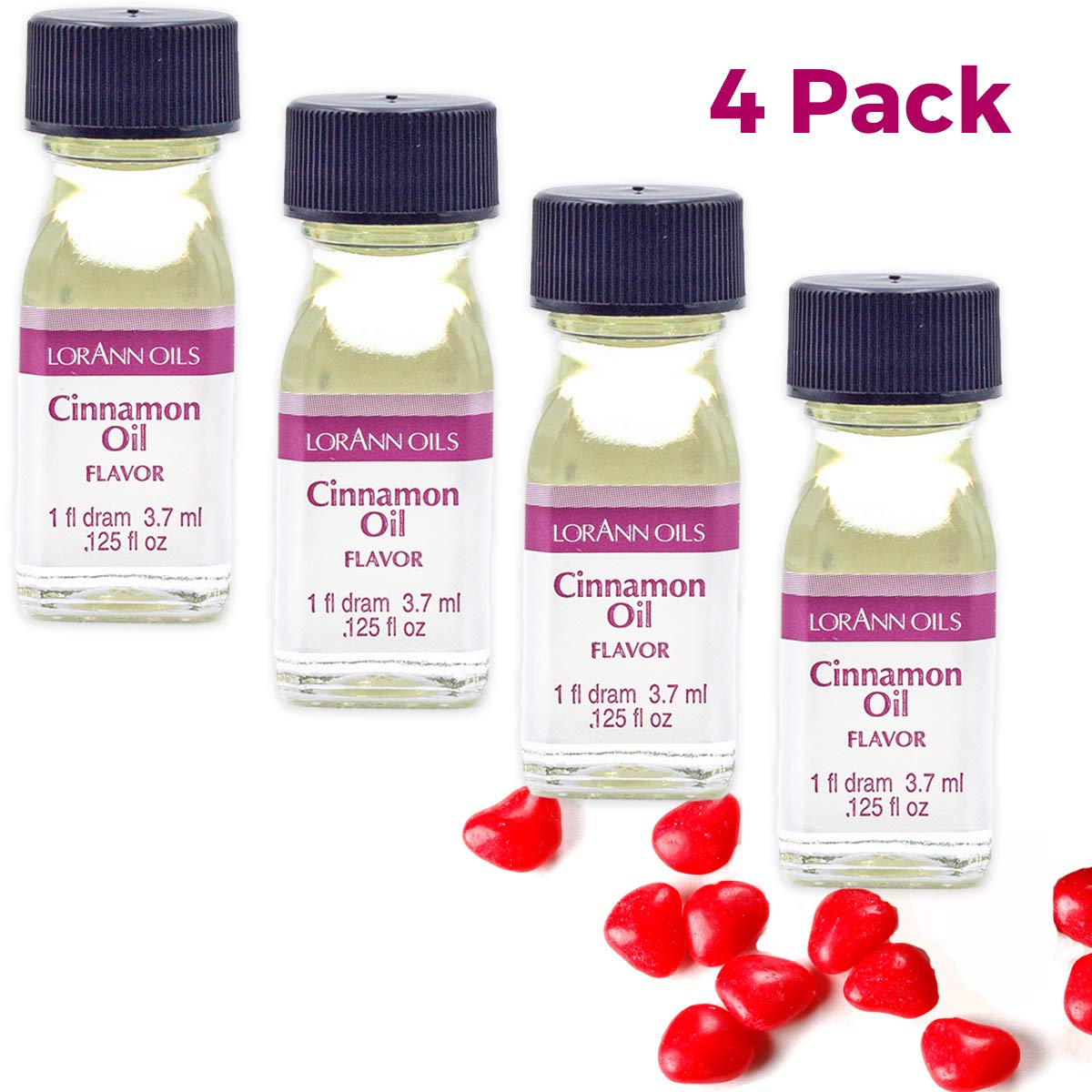
If you’ve ever picked up a tiny 1-dram bottle of LorAnn flavoring at a craft store and wondered whether something that small could actually do anything serious — the answer is yes, dramatically yes, and that’s both the appeal and the hazard. LorAnn super-strength oils are highly concentrated flavor compounds (meaning a small amount contains far more flavor intensity than standard grocery-store extracts), and their cinnamon oil and butterscotch flavor sit at opposite ends of the intensity spectrum in ways that matter a lot to how you use them. This guide decodes both products for the practitioner who’s already past “what is a flavor oil” but still building intuition around dose, application, and when to reach for one over the other. You’ll get real dosing numbers drawn from owner-reported usage, a clear comparison between the two formats, and decision rules for candy, soda, and everything in between.
Why These Two Flavors Reward Closer Attention
LorAnn’s cinnamon oil and butterscotch flavor are catalogued as the same product type on most retail listings — both 1-dram super-strength oils — but they behave differently in practice, and reviewers treat them very differently.
Cinnamon oil is one of the brand’s most reviewed and most cautioned products. The active compound, cinnamaldehyde, is present at concentrations high enough that multiple buyers flag it with genuine warnings: “be very careful,” “start with less than you think,” and similar phrases appear repeatedly across aggregated review threads. This isn’t marketing drama. Per LorAnn’s own usage documentation, their super-strength oils are formulated at roughly 3–4 times the potency of standard baking extracts, and cinnamon oil specifically can cause irritation to mucous membranes at undiluted concentrations. It is also — and this is the reason candy makers keep coming back — one of the few flavors that survives the high-heat environment of hard candy making without degrading into something flat and vaguely chemical.
Butterscotch flavor earns a different kind of loyalty. It’s a softer, more forgiving concentrate, and the reviews reflect that: buyers are experimenting creatively rather than warning each other. One reviewer reports using a single bottle across homemade ginger ale, a Rooibos-based beverage, and a DIY cream soda made with a SodaStream — three completely distinct applications from one small bottle. That’s not an accident of taste; it reflects butterscotch’s unusual compatibility with both acidic carbonated bases and tannin-forward steeped beverages.
Understanding what’s actually in each product helps here. Per FDA GRAS (Generally Recognized as Safe) flavor regulations, both are approved for use in food, but LorAnn’s manufacturing documentation distinguishes oil-based super-strength products (like cinnamon oil) from their water-soluble bakery emulsions. This distinction will matter when we get to the candy vs. baking tradeoff section below.
Cinnamon Oil: Dose, Safety, and the Holiday Candy Tradition
The most specific dosing data from owners clusters around hard candy: reviewers consistently cite ½ to 1 teaspoon per pound of candy mixture as the working range, with the lower end recommended for anyone new to the product. LorAnn’s published usage guidelines suggest roughly ¼ to ½ teaspoon for a standard hard candy batch (approximately one pound of sugar mixture), explicitly noting that cinnamon is one of the stronger flavors in the line.
One reviewer’s use case cuts to why this product holds its position year after year: she was reviving her mother’s Christmas candy recipes — the kind of hard cinnamon drops that have a clean, almost medicinal heat — and noted that grocery-store cinnamon extract produced a dull, baked-out result at the same temperatures. That’s not sentiment; it’s chemistry. Standard cinnamon extracts are alcohol-based, and alcohol volatilizes rapidly above roughly 170°F. Hard candy is cooked to 300–310°F (the hard crack stage, per Serious Eats’ candy-making reference guide). Oil-based flavor compounds have significantly higher volatilization thresholds and maintain flavor integrity through that temperature window. Fine Cooking’s overview of flavor extracts vs. oils in baking explicitly notes this distinction as the primary reason professional candy makers default to flavor oils rather than extracts for high-heat applications.
A note on off-label uses: some buyers are using cinnamon oil in wellness and detox mixtures — diluted into carrier oils or added to warm water preparations. These applications are outside LorAnn’s intended culinary context, and dosing guidance for food use doesn’t translate cleanly. If you’re sourcing LorAnn cinnamon oil for candy making, be aware that the 1-dram bottle (~3.7 ml) is sized for culinary use and the concentration is calibrated for dilution into a large sugar base. Do not apply undiluted product directly to skin.
By the Numbers: Cinnamon Oil Concentration Reference
| Application | Dose per Batch | Batch Size |
|---|---|---|
| Hard candy (owner-reported) | ½–1 tsp | ~1 lb sugar mixture |
| LorAnn published guideline | ¼–½ tsp | ~1 lb sugar mixture |
| Standard extract equivalent | 1–2 tbsp | ~1 lb (unreliable at candy temps) |
| 1-dram bottle total volume | ~¾ tsp | — |
That last row matters practically: a single 1-dram bottle contains approximately ¾ teaspoon of product. At the lower dosing end (¼ tsp), you get roughly three batches per bottle. At the upper end (1 tsp), you may not complete a single full batch with one bottle. For holiday production runs, buying two or three bottles upfront is the standard move among reviewers who mention batch volume.
Butterscotch Flavor: The Multi-Application Case Study
The butterscotch concentrate earns its reputation for versatility in a way that cinnamon can’t match, because butterscotch’s flavor profile doesn’t compete with everything around it. Cinnamon dominates. Butterscotch complements.
The reviewer who used one bottle across ginger ale, Rooibos-based beverages, and SodaStream cream soda is the clearest illustration of this. Each of those applications presents a different chemical environment:
- Carbonated water (SodaStream base): High acidity, no heat. Butterscotch’s flavor compounds are stable in acidic cold applications, and the sweetness bridges the sharpness of carbonation without requiring added sugar to the level you’d need with, say, a citrus concentrate.
- Ginger ale: Similar carbonation dynamic, but with ginger’s volatile compounds competing for sensory space. Butterscotch here acts as a softening mid-note rather than the featured flavor.
- Rooibos-based warm beverage: This is the most interesting case. Rooibos carries its own caramel-adjacent tannin notes, and butterscotch amplifies rather than clashes with that profile. The heat of steeping (typically 190–200°F for Rooibos) is well below the degradation threshold for most flavor concentrates in this concentration range.
For soda applications specifically, owners consistently report starting at 1–2 drops per 12 oz of carbonated water and adjusting upward. The small drop count isn’t timidity — it’s the right scale for a product this concentrated in a beverage with no fat or starch to buffer the intensity.
For hard candy, butterscotch is more forgiving than cinnamon at the upper dosing range, but the same general guidance applies: start at ¼ teaspoon per pound and taste the cooked mixture before adding more.
Super-Strength Oils vs. Bakery Emulsions: The Decision You Need to Make Before You Buy
This is the question that comes up most often when practitioners are deciding between LorAnn product lines, and the answer is actually pretty clean once you frame it correctly.
Super-strength oils (what the 1-dram cinnamon and butterscotch bottles are) are:
- Oil-based, not water-soluble
- Formulated for high-heat applications like hard candy, brittle, and chocolate work
- More concentrated per drop than emulsions
- Not ideal for delicate batters where oil separation is a concern
Bakery emulsions are:
- Water-soluble (suspended in a water/propylene glycol base)
- Better suited for cakes, cookies, and frosting where uniform distribution matters
- Slightly lower concentration per unit volume
- Less reliable at temperatures above 250°F because the water-base emulsion can break under sustained heat
Per LorAnn’s product documentation, they recommend super-strength oils specifically for candy making and chocolate, and emulsions for baked goods. The distinction isn’t arbitrary — it’s about where in the cooking process the flavor needs to survive and how it needs to distribute through the medium.
If you’re making hard candy: use the oil. If you’re flavoring a buttercream or a pound cake batter: use the emulsion. If you’re adding to a cold beverage: either works, but the emulsion disperses more evenly in water-based liquids.
Frequently Asked Questions
How many drops of LorAnn super-strength oil should I use in hard candy? LorAnn’s published guidelines translate to roughly ¼ to ½ teaspoon per pound of sugar mixture — which is approximately 60–120 drops (assuming a standard dropper at ~0.05 ml per drop). Most experienced candy makers on the lower end of that range for cinnamon, and toward the middle for butterscotch. Owner-reported experience consistently confirms: you can always add more flavor to a batch that’s too mild, but you cannot take it away.
Can I use cinnamon oil or butterscotch flavor in a SodaStream or homemade soda? Yes — and one reviewer specifically did exactly this with butterscotch to make a DIY cream soda. For carbonated beverages, start at 1–2 drops per 12 oz and adjust. For cinnamon oil specifically, be very conservative (start with 1 drop) because the heat and intensity that make it excellent in candy translate to aggressive flavor in a cold beverage with no fat to buffer it.
Why can’t I just use regular cinnamon extract for hard candy? Alcohol-based extracts volatilize rapidly at temperatures above approximately 170°F. Hard candy is cooked to 300–310°F (hard crack stage). By the time the candy sets, most of the flavor from an alcohol-based extract has cooked off. Oil-based flavor compounds have significantly higher heat tolerance. Serious Eats’ hard candy guide and Fine Cooking’s extract overview both reinforce this as the core reason professional candy makers use flavor oils, not extracts, for hard candy.
Is the 1-dram bottle enough to make a full batch of candy? Barely, if you’re dosing at the midpoint. One dram is approximately ¾ teaspoon. A standard batch uses ¼ to ½ teaspoon. At the lower end, you get two to three batches; at the upper end, you may fall short of one full batch. For any production run larger than a single test batch — and especially for holiday volume — buy two bottles minimum.
What is the difference between LorAnn super-strength oils and their bakery emulsions for candy making? The short version: use oils for candy, use emulsions for baked goods and frostings. Oils are heat-stable through hard crack temperatures and distribute well in sugar-based melts. Emulsions are water-soluble and distribute more evenly in batters and creams, but they’re not designed for sustained high-heat applications. Using an emulsion in hard candy risks off-flavors and uneven flavor distribution as the water base cooks off.
The Clear Decision Rule
If you’re a candy maker — especially one working on hard candies, lollipops, brittles, or holiday drops — LorAnn cinnamon oil is the correct tool, and reviewers who’ve tried to substitute anything else consistently report disappointing results. Buy two 1-dram bottles for any batch over one pound, dose conservatively, and respect the potency.
If you’re a beverage developer, home soda crafter, or a baker working across multiple formats, butterscotch flavor is the more flexible investment. The same bottle that goes into your SodaStream cream soda experiment can anchor a butterscotch hard candy or flavor a simple syrup (one reviewer noted that just 2 drops flavored 1.25 cups of simple syrup — a highly specific and useful data point for beverage scaling). That kind of range from a single small-format bottle is genuinely unusual, and it’s why butterscotch earns mentions across so many different buyer use cases.
If you’re deciding between the oil and emulsion format: the application determines the format, not preference. High heat means oil. Water-based or moderate-heat applications mean emulsion. The two aren’t interchangeable at the extremes.