If you’ve ever watched a recipe blogger rave about “Mexican vanilla” and wondered whether it’s genuinely different from the bottle in your grocery store — or whether it’s just cheaper and you’re being fooled — you’re not alone. Mexican vanilla extract is made from Vanilla planifolia beans grown in the Totonacapan region of Veracruz, the same species used in most American and European extracts. What sets many Mexican commercial brands apart is their production style: they tend toward a warmer, slightly woodsy, almost bakery-sweet aroma that reviewers consistently describe as more complex than a standard grocery-store imitation vanilla. The catch is that “Mexican vanilla” covers a wide range of products — pure extract, blend, and outright imitation — and the label doesn’t always tell you which one you’re holding. This article ranks four brands that dominate the category — Molina, Danncy, La Vencedora, and Totonac’s — on flavor character, purity transparency, dosing behavior, and value. By the end, you’ll have a clear decision rule for each use case.
What These Four Brands Actually Are (And Where They Differ)
Before the rankings land with any weight, it helps to understand the spectrum these brands occupy.
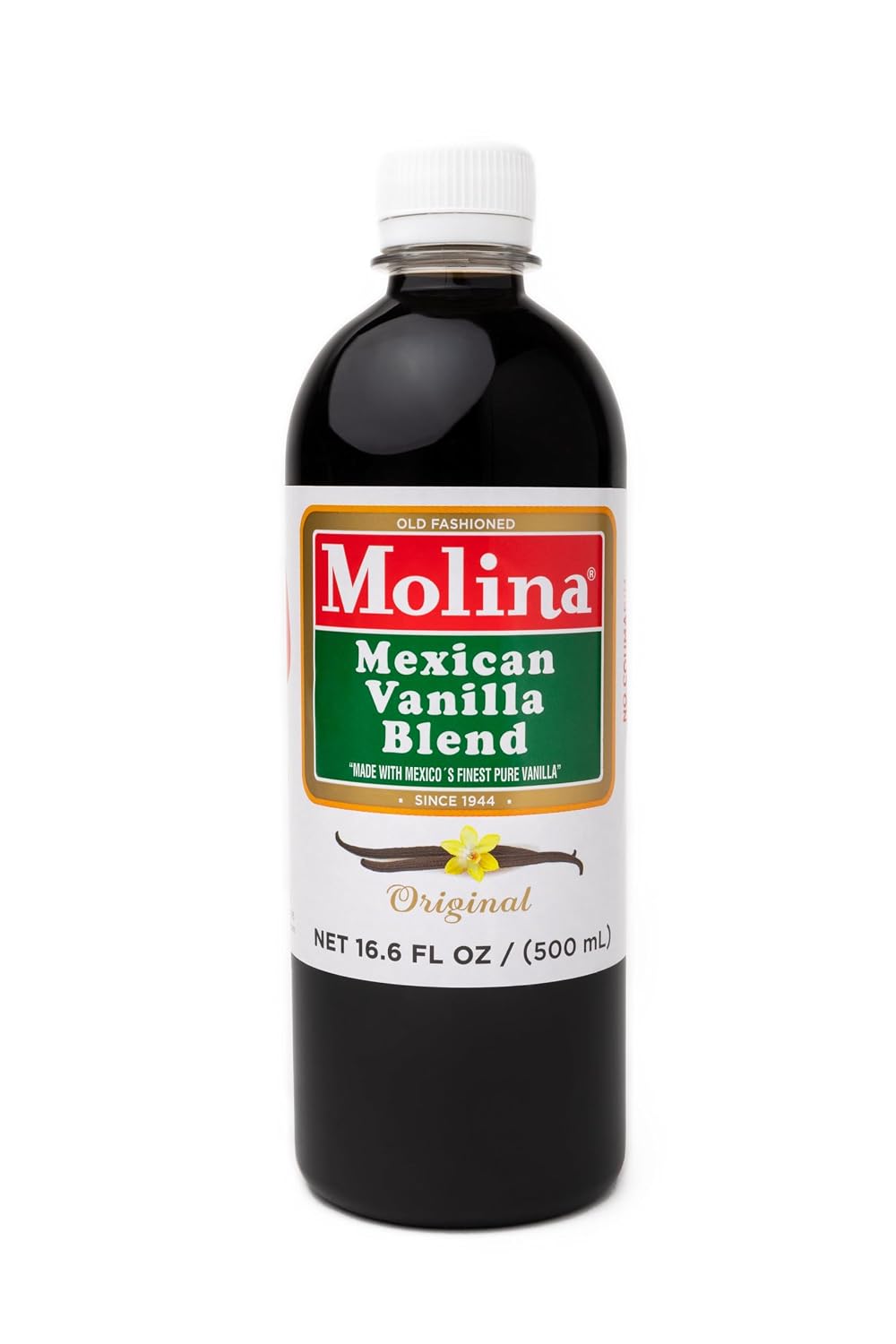
Molina is arguably the most recognized Mexican vanilla brand in American home kitchens. It’s widely available at Latin grocery stores and online, typically sold in large bottles (6–8 oz or larger). Molina is a blend — it contains both natural vanilla extractives and vanillin, a synthesized vanilla compound. That distinction matters and is covered fully in the FAQ below, but the short version is: for baking in batches, it performs beautifully and reviewers consistently use words like “bakery-style” and “authentic” to describe what it adds. It is not a pure extract by FDA standards, but it doesn’t pretend to be one.
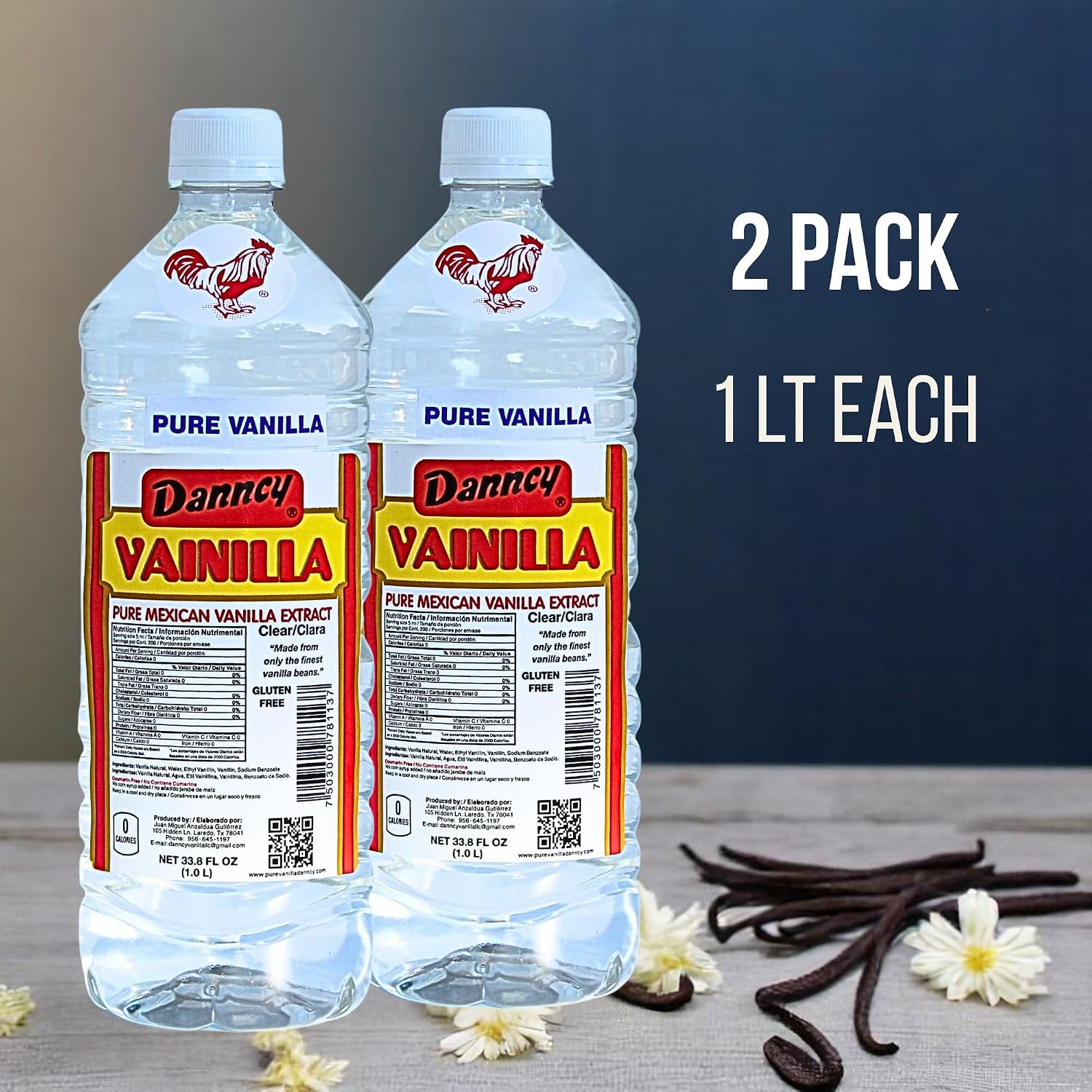
Danncy comes in two versions — a dark variant and a clear variant — and this dual lineup creates real confusion among buyers. The dark version is a deep-brown traditional vanilla with a bold, slightly smoky-sweet character. The clear version is decolorized, designed for applications where color contamination is a problem (white frosting, pale glazes, meringue). Both contain vanillin and are blends, not pure extracts.
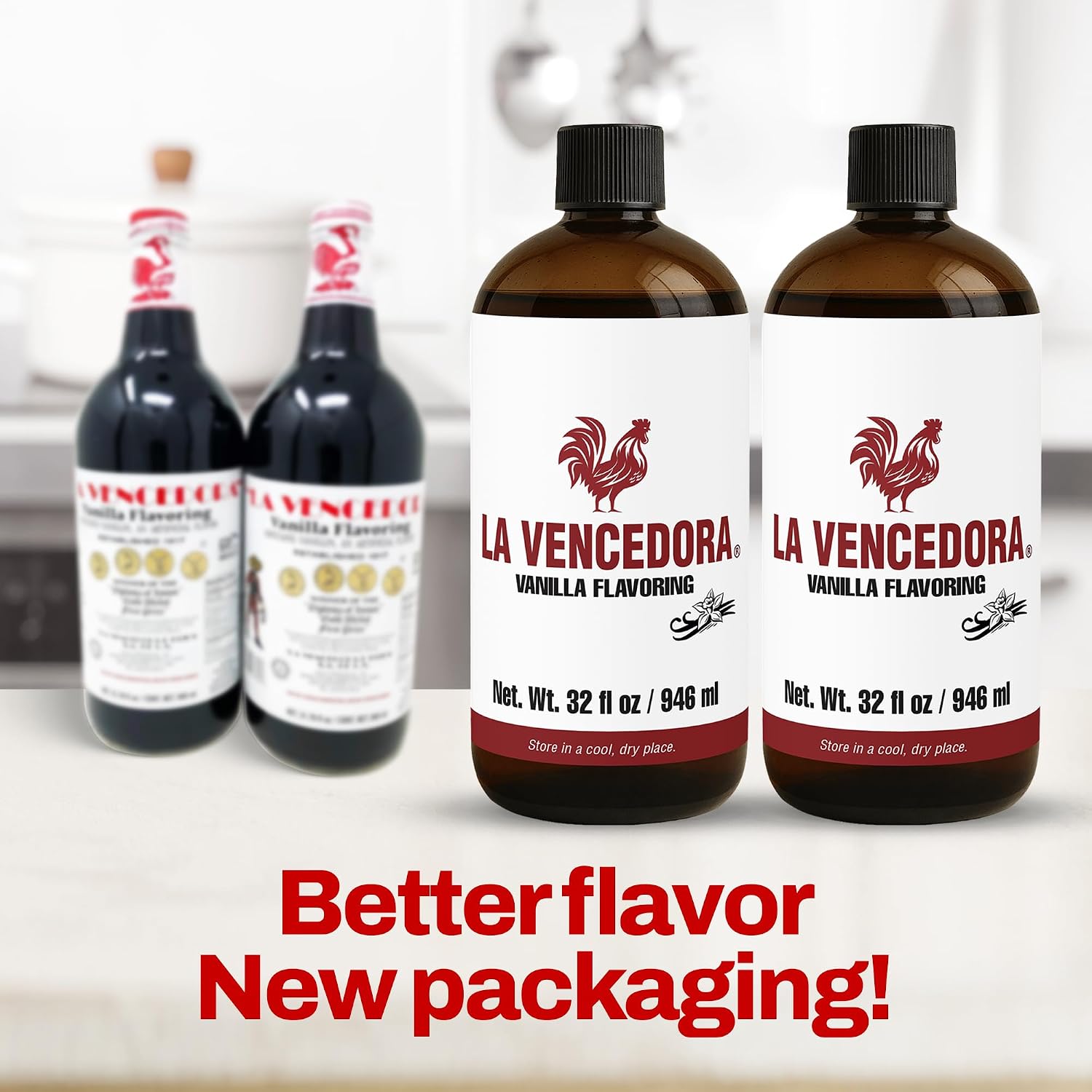
La Vencedora sits in a similar blend category to Molina but with a distinctly different flavor profile — lighter, slightly more floral, and less assertively “warm.” It’s a longtime staple in Mexican home baking traditions and tends to appeal to bakers who find Molina’s intensity a touch heavy for delicate applications like flan or tres leches.
Totonac’s is the outlier here. It is marketed as a pure vanilla extract, positioning itself closer to Nielsen-Massey territory than to the blended Mexican brands above. This distinction comes with a sourcing caveat described in detail below.
Flavor Character and Application Fit
The four brands occupy meaningfully different flavor positions, which is why a single “best Mexican vanilla” recommendation misses the point. Drawing on aggregated buyer reviews, manufacturer documentation, and editorial assessments published by Tasting Table and Cook’s Illustrated, here is how each brand performs across use cases.
Molina: The High-Volume Baking Workhorse
Molina consistently earns its reputation in baked goods with strong spice or fat components — cookies, pan dulce, churro batters, brown-butter applications. The warm, slightly resinous character integrates well when vanilla isn’t the solo note. Reviewers frequently describe it as “the one that smells like a Mexican bakery,” and that’s both accurate and a useful filter: if your application has competing aromatics, Molina punches through. If you need a clean, forward vanilla note to stand alone, it can feel heavy.
For bakers who go through vanilla in volume, Molina’s large-format bottles and low cost per ounce make it the practical default for everyday baking where the vanilla is a supporting player.
Danncy 1L
$22.89
In stock on Amazon
Check price on AmazonDanncy Dark and Danncy Clear: Two Tools for Two Jobs
Danncy Dark is divisive in a way that’s worth taking seriously. A meaningful share of reviewers describe the flavor as bold and excellent in cooked applications — French toast, pan-fried churros, baked custards — while another camp finds the raw aroma off-putting. The pattern suggests this variant performs best when heat is involved, which aligns with the profile of a blend containing synthetic vanillin: heat drives off some of the more aggressive top notes and integrates the base. Using Danncy Dark in an uncooked preparation — no-bake cheesecake, cold frosting — is where the controversy concentrates.
Danncy Clear has a tighter fan consensus. For frosting, white cake, and any application where a pale or neutral color is essential, reviewers consistently praise it. One dosing quirk flagged in multiple reviews deserves explicit attention: overuse of Danncy Clear produces a flavor that reads almost like cinnamon or warm spice rather than vanilla. This is likely a characteristic of the vanillin blend and aromatic additives in the formulation. The safe starting dose is 25–30% less than your recipe calls for, especially in uncooked applications, and you adjust up from there.

Danncy
$24.99
In stock on Amazon
Check price on AmazonLa Vencedora: The Quiet Specialist
La Vencedora generates quieter reviews — not because it underperforms, but because it doesn’t polarize. It’s the most restrained of the four, with a softer floral character that suits dairy-forward applications like custard, rice pudding, and milk-based sweet sauces. Bakers who want a Mexican vanilla that doesn’t compete with other aromatics tend to land here. It’s also the pick for recipes where a secondary vanilla warmth is desirable without the full bakery-bold presence of Molina.
Danncy
$24.99
In stock on Amazon
Check price on AmazonTotonac’s: The Pure Extract Option
Totonac’s earns the highest praise from buyers who receive a genuine product — and that qualifier is the entire story. The flavor is described as cleaner, richer, and closer to a traditional pure extract in character. As a pure extract (water, alcohol, vanilla bean extractives only), it functions more like Nielsen-Massey or a quality domestic pure vanilla than like the blends above. This makes it the right choice for uncooked applications where vanilla is a hero flavor: pastry cream, cold foam, premium ice cream, and preparations where the vanilla note needs to stand without heat integration.
The fulfillment concern described in the next section affects how you should purchase this brand, but the product itself — when genuine — occupies the premium tier among the four.
La
$34.95
In stock on Amazon
Check price on AmazonThe Totonac’s Fulfillment Problem You Need to Know About
This section exists because a real buyer warning surfaced organically in reviews and it affects purchasing decisions directly.
At least one documented buyer report flags that the Totonac’s product received — labeled as pure vanilla — contained preservatives and artificial flavors not present in the genuine formulation. This is a fulfillment integrity issue, not a brand formulation issue: the manufacturer produces a pure product, but marketplace conditions have created cases where a substituted product reaches the buyer under the same label.
If you are ordering Totonac’s for a professional or commercial application where “pure vanilla extract” is an ingredient claim on your finished product, this matters legally and ethically. The practical mitigation: inspect the ingredient list on arrival before use. Genuine Totonac’s pure vanilla extract should list water, alcohol, and vanilla bean extractives — nothing else. If you see vanillin, caramel color, or preservatives like sodium benzoate in the ingredients, you have received a substituted product and should initiate a return.
This is not a reason to avoid Totonac’s categorically — it’s a reason to buy from verified sellers and inspect on receipt every time.
Cost-Per-Ounce Reality Check
The appeal of Mexican vanilla blends is straightforward: you get a complex, warm vanilla character at a cost per ounce that typically runs 60–80% below Nielsen-Massey pure vanilla extract, based on retail pricing patterns as of mid-2026.
Nielsen-Massey Madagascar Bourbon Pure Vanilla Extract retails around $18–$22 for 4 oz, putting the cost per ounce at roughly $4.50–$5.50. McCormick Pure Vanilla Extract runs about $2.50–$3.00 per ounce for its standard sizes. Both figures are consistent with pricing data referenced in Serious Eats’ vanilla extract testing coverage and Cook’s Illustrated’s vanilla tasting panel.
Molina, Danncy, and La Vencedora typically land in the $0.50–$1.00 per ounce range when purchased in their larger retail formats. Totonac’s, as a pure extract, prices closer to $1.50–$2.50 per ounce — still a significant discount to Nielsen-Massey, but with a narrower margin than the blends.
The important caveat noted by Serious Eats’ vanilla extract coverage: pure extract and blends are not equal swap-ins in every application. For high-heat baking where vanilla is a background note and volume matters, the blends win on value clearly. For uncooked or lightly heated applications where vanilla is a hero flavor — pastry cream, cold foam, premium ice cream — the per-ounce premium on a pure extract is often worth paying.
| Brand | Type | Approx. cost/oz | Best application |
|---|---|---|---|
| Molina | Blend (natural + vanillin) | $0.50–$1.00 | Baked goods, spiced applications |
| Danncy Dark | Blend | $0.50–$1.00 | Cooked/heat applications |
| Danncy Clear | Blend (decolorized) | $0.50–$1.00 | Frosting, pale batters |
| La Vencedora | Blend | $0.50–$1.00 | Custards, dairy-forward recipes |
| Totonac’s | Pure extract | $1.50–$2.50 | General-purpose, uncooked applications |
Frequently Asked Questions
Is Molina Mexican vanilla a pure extract or a blend, and does it matter for baking?
Molina is a blend — it contains both natural vanilla extractives and vanillin, a synthetically produced vanilla compound. Per FDA Compliance Policy Guidance CPG Sec. 525.850 on vanilla and related products, it cannot legally be labeled “pure vanilla extract” in the U.S. market. For most baking applications, this does not functionally matter: the warm, complex flavor it contributes is consistent and well-regarded. Where it matters is if your product label or recipe makes a “pure vanilla extract” claim — in that case, substituting Molina creates a mislabeling risk.
Why does Danncy sell both dark and clear, and which should I buy for frosting?
The dark variant retains natural vanilla color compounds; the clear variant has been decolorized to prevent color transfer. For frosting, white cake, or meringue, Danncy Clear is the correct choice. Use it at 25–30% below your normal vanilla dosage to avoid the warm-spice overload that reviewers note at full measure. For cooked batters, the dark variant is fine and preferred by bakers who want the fuller aroma profile.
How do I verify I received genuine Totonac’s pure vanilla and not a substituted product?
Read the ingredient label immediately on receipt. Authentic Totonac’s pure vanilla extract should contain only water, alcohol, and vanilla bean extractives. The presence of vanillin, caramel color, sodium benzoate, or any artificial flavor indicates you received a substituted product. Contact the seller for a replacement or refund before using it in any product where the “pure vanilla” designation is part of your ingredient claims.
Can Mexican vanilla be used in the same quantities as U.S. pure vanilla extract?
Generally yes for Molina and La Vencedora — the concentration is roughly comparable to standard U.S. pure extract, and a 1:1 substitution is the starting point. For Danncy Clear specifically, reviewer consensus and the documented warm-spice effect suggest starting at 75% of the called-for amount and adjusting upward. Totonac’s pure extract can be used at full 1:1 substitution.
Is Mexican vanilla safe regarding coumarin, and do these brands address it?
Coumarin is a naturally occurring compound found in tonka beans that was historically added to cheap vanilla products to amplify vanilla scent. It is banned by the FDA in food products sold in the U.S. Tasting Table’s overview of Mexican vanilla addresses this concern directly, noting that some older or low-quality Mexican vanilla products imported before stricter enforcement did contain coumarin. The four brands reviewed here are sold through established U.S. retail channels and do not list coumarin as an ingredient. If you are purchasing from unlabeled or bulk sources outside established retail distribution, the concern is legitimate and worth scrutiny. Stick to labeled, retail-distributed products and the risk is negligible.
The Decision Rule
If you’re baking in volume and want a warm, complex vanilla character without a premium extract budget: Molina is the safe default. It’s consistent, widely available, and the reviews back it up across a wide range of baked applications.
If color contamination is your constraint: Danncy Clear, dosed conservatively, solves the problem cleanly.
If you want a pure extract at a meaningful discount to Nielsen-Massey and you’re willing to verify what arrives: Totonac’s is worth the premium — but inspect the label on receipt, every time.
If your application is delicate and dairy-forward and you want the most neutral of the four profiles: La Vencedora is the underrated pick that rarely disappoints.
For cooked and heat-applied applications specifically, Danncy Dark is usable and some bakers genuinely love it — but given the polarized reviewer response, it’s the one to sample before committing to in quantity.