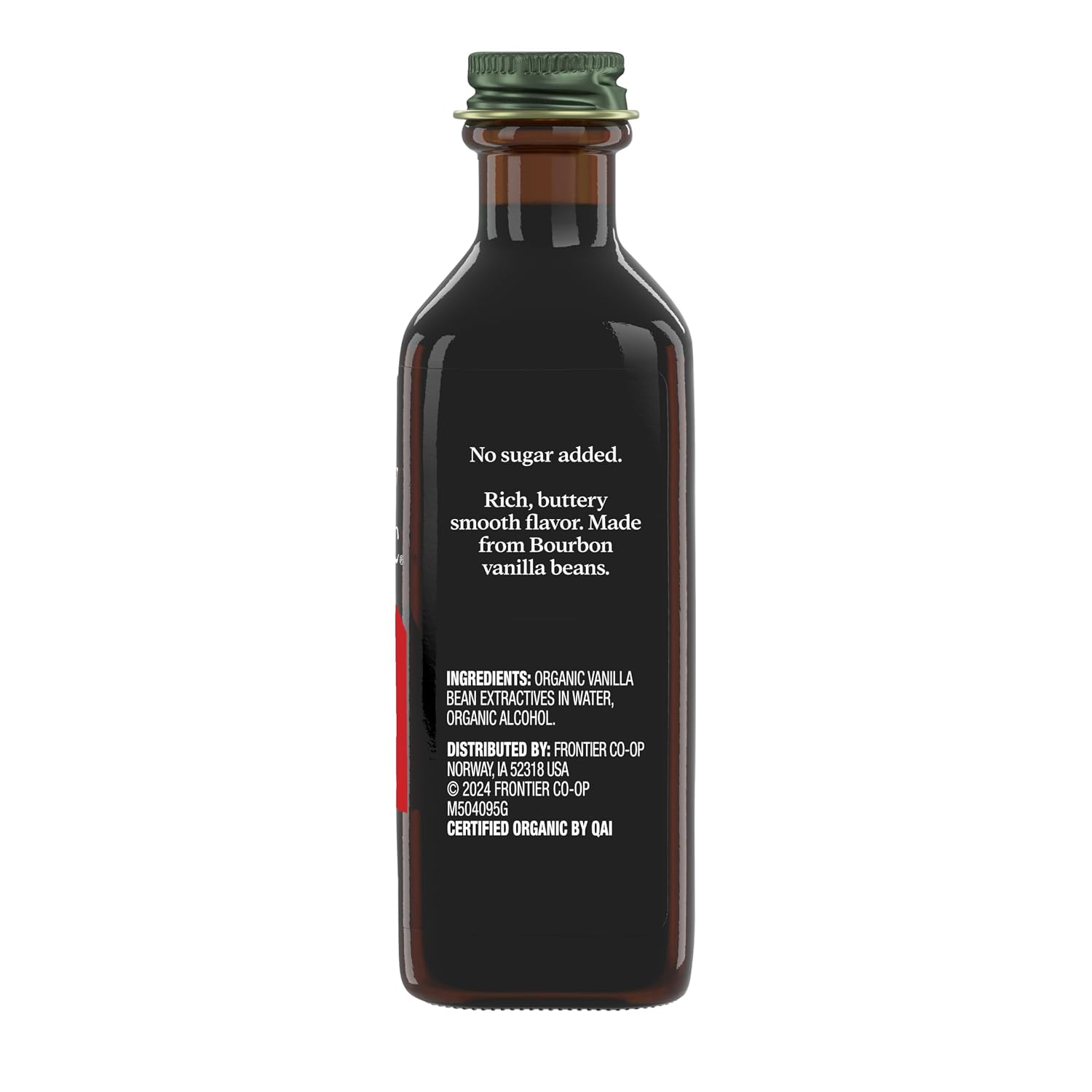
If you’ve ever added a splash of vanilla extract — the dark amber liquid most people have in the back of their spice cabinet — to a protein shake and immediately noticed something sharp and boozy that didn’t belong, you’ve run into the single biggest issue with using vanilla in cold, uncooked drinks. Standard pure vanilla extract (the kind regulated by the FDA to contain at least 35% alcohol by volume, per FDA CFR Title 21 Part 169) works beautifully in baked goods because heat drives off the alcohol and leaves behind only the warm, complex vanilla character. In a smoothie or shake, there’s no heat — the alcohol stays, and your palate notices. This guide is for people who are already using vanilla in drinks and want to stop guessing: here’s how each format behaves in cold applications, which products reviewers consistently reach for, and a clear decision framework so you can make the call with confidence.
| EDITOR'S PICKSimply Organic Pure Madagascar… | Mid-tierLorAnn Watermelon SS Flavor | Budget pickSimply Organic Pure Madagascar… | |
|---|---|---|---|
| Size | 4 oz | 1 oz | 2 oz |
| Flavor | Vanilla | Watermelon | Vanilla |
| Organic | ✓ | — | ✓ |
| Gluten-free | ✓ | — | — |
| Sugar-free | ✓ | — | ✓ |
| Pack count | 1 | — | 1 |
| Price | $13.96 | $7.34 | $6.98 |
| See on Amazon → | See on Amazon → | See on Amazon → |
Why the Format You Choose Changes Everything in Cold Drinks
The three formats you’ll encounter are pure vanilla extract (alcohol-based), vanilla bean paste (a thicker blend of extract, vanilla bean seeds, and a binding agent like sugar or gum), and alcohol-free vanilla flavoring (typically glycerin- or water-based). Each one was originally engineered with heat applications in mind — and that context shapes how they behave in a blender or shaker cup.
Pure vanilla extract in cold drinks: The alcohol isn’t just a carrier; at 35–40% ABV, it’s the dominant sensory note when the liquid is cold. Serious Eats’ tasting overview of vanilla extracts notes that alcohol heat is far more perceptible in no-bake and raw applications than in baked goods, where volatilization happens rapidly. For a full smoothie (12–16 oz), ½ teaspoon of standard extract can register as noticeably sharp to many palates, particularly in protein shakes where the unflavored protein base doesn’t have a lot of competing aromatics to soften it. That said, reviewers who are alcohol-tolerant and working with naturally sweet bases — banana smoothies, for example — report that McCormick Pure Vanilla Extract and Nielsen-Massey Pure Vanilla Extract both add genuine vanilla depth without becoming unpleasant. It’s a real tradeoff, not a blanket disqualification.
Vanilla bean paste in cold drinks: Paste introduces a textural variable. The Spruce Eats’ overview of vanilla bean paste explains that most commercial pastes use a xanthan or guar gum binder to suspend the vanilla bean seeds — and that binder can behave differently in cold liquid versus a warm custard base. In a high-powered blender, paste disperses adequately. In a shaker cup with just a ball whisk, you can get small paste clumps that don’t fully integrate. The visible specks — the feature most people buy paste for — do survive the blend and are visually appealing in lighter-colored drinks like a vanilla protein shake or a plain yogurt smoothie.
Alcohol-free vanilla flavoring in cold drinks: This is the format that genuinely excels in cold, uncooked applications, and reviewers reflect this clearly. Simply Organic Non-Alcoholic Vanilla Flavoring in particular draws unusually specific drink-related feedback. One buyer reports purchasing it specifically after weeks of searching for the best vanilla option for neutral-taste protein shakes, and describes the flavor profile as closely resembling vanilla ice cream — a practical and vivid reference point. Another reviewer notes using it in yogurt drinks and other uncooked applications, emphasizing that the near-absence of alcohol aroma is the defining quality that makes it work where standard extract doesn’t. That ice cream–adjacent flavor profile makes sense given the glycerin base, which has a very slight natural sweetness that rounds off any sharp edges.
Format-by-Format: The Honest Tradeoff Table
By the numbers — vanilla format comparison for cold drink applications:
| Format | Alcohol content | Cold dispersal | Flavor intensity | Best cold use case |
|---|---|---|---|---|
| Pure extract (standard) | 35–40% ABV | Excellent | High, but boozy note | Sweet or high-fat blended drinks |
| Alcohol-free flavoring | 0% | Excellent | Moderate-high, clean | Protein shakes, neutral-base drinks |
| Vanilla bean paste | ~35% ABV (extract base) | Good in blender, variable in shakers | High, complex | Smoothies, yogurt drinks, drinks served immediately |
The alcohol content in most vanilla bean pastes matters because they use an extract base — Nielsen-Massey’s product specification sheet confirms their paste is built on their pure extract, meaning the alcohol is present, just diluted by the paste volume. For a ½ teaspoon of paste in 12 oz of liquid, the dilution is significant enough that most reviewers don’t flag the alcohol note the way they do with pure extract used at the same volume.
What Reviewers Actually Use — and What They Notice
Aggregated reviewer behavior reveals some useful patterns that go beyond manufacturer marketing.
Simply Organic Non-Alcoholic Vanilla Flavoring earns the most drink-specific feedback of any product in this category. Beyond the protein shake buyer mentioned above, reviewers consistently note its performance in yogurt, drizzled over fruit, and in any application where the food or drink isn’t going to be heated. The alcohol-free format is the direct reason for this cross-category use — reviewers are self-selecting toward it precisely because standard extract failed them in the same applications. That’s signal worth taking seriously.
Nielsen-Massey Vanilla Bean Paste draws consistent praise specifically for use in morning drinks, with multiple reviewers noting that the visible vanilla bean specks and the richer, more complex flavor profile — which Cook’s Illustrated’s tasting notes describe as having a creamy, floral character compared to the more straightforward sweetness of some mass-market extracts — elevate everyday drinks noticeably. Reviewers in this segment tend to be more sophisticated buyers who are accustomed to seeing extract as a one-dimensional ingredient and find paste’s complexity genuinely useful even in simple applications.
Simply Organic Vanilla Bean Paste receives more mixed signals. At least one buyer found the jar size too small for the price and the flavor underwhelming specifically in drink applications — an honest data point that matters when you’re comparing it directly to Nielsen-Massey paste. This is a real performance divergence worth flagging: not all vanilla bean pastes are equal, and the organic certification doesn’t automatically translate to stronger flavor in cold applications. Simply Organic’s non-alcoholic liquid flavoring and their paste are different products with different performance profiles — don’t assume consistency across their line.
McCormick Small Batch Vanilla Extract shows up in a specific and interesting context: one reviewer used it in homemade vanilla creamer as a placeholder while their own vanilla extract finished macerating. That’s a sophisticated buyer persona — someone who makes their own extracts and is managing multiple batches simultaneously. What’s useful here is that the reviewer treated McCormick Small Batch as a serviceable interim option, not a long-term preference, which suggests it occupies a reliable mid-tier position rather than an enthusiast destination for drink applications specifically.
Dosing Guidance for Cold Drinks
One of the more common errors reviewers describe is overdosing. The absence of heat means vanilla flavor doesn’t bloom or integrate the way it does during baking — what reads as a subtle addition in a muffin batter can become cloying or medicinal in a 12-ounce shake if you apply the same volume.
A working starting framework based on published recipe guidance from The Spruce Eats and Serious Eats:
- Pure vanilla extract: Start at ¼ teaspoon per 12–16 oz drink. Increase only if your base is strongly flavored (chocolate protein, heavy fruit).
- Alcohol-free vanilla flavoring: ¼ to ½ teaspoon per 12–16 oz. The flavor tends to be slightly softer, so the upper end of this range is safe without overwhelming the drink.
- Vanilla bean paste: ¼ teaspoon per 12–16 oz in a blender drink. Use less if you’re shaking by hand — integration is less thorough and paste-forward flavor can concentrate in sips.
These are starting points. If you’re formulating for a product (a bottled smoothie, a protein drink line), your baseline will depend on your other ingredients, your protein type, and whether you’re using sweeteners that interact with vanilla perception. Natural vanilla and stevia, for example, interact in ways that can amplify or suppress specific flavor notes — a variable that matters if you’re scaling.
Frequently Asked Questions
Can I taste the alcohol in vanilla extract when I add it to a cold protein shake or smoothie? Most reviewers report yes, particularly with neutral protein bases. The alcohol isn’t cooked off in cold applications, and at standard use rates (½ teaspoon or more per drink), it can register as a sharp or boozy note. Buyers who are sensitive to this consistently migrate toward alcohol-free formats or use extract at much lower doses with strongly flavored bases.
What is the best vanilla format for protein shakes — extract, paste, or alcohol-free flavoring? For neutral-tasting protein shakes specifically, alcohol-free vanilla flavoring is the most consistent performer based on reviewer feedback. The absence of alcohol lets the vanilla character read cleanly. Vanilla bean paste is a strong second option if you want added visual appeal and complexity and you’re blending (not shaking). Pure extract works but requires careful dosing.
How much vanilla extract or paste should I use in a single smoothie or drink? Start at ¼ teaspoon for any 12–16 oz drink. Cold drinks don’t disperse or mellow vanilla the way heat does, so starting low and adjusting up is the right approach. Most recipes and reviewers land in the ¼–½ teaspoon range for drinks at this size.
Is alcohol-free vanilla flavoring the same as pure vanilla extract in terms of flavor? No — and understanding why matters. Pure vanilla extract is made by macerating vanilla beans in an alcohol-water solution; the result is complex, with floral, woody, and warm-spice notes. Alcohol-free flavorings use glycerin or water as the carrier, and the extraction process and raw materials may differ. Reviewers describe Simply Organic’s alcohol-free flavoring as having an ice cream–like sweetness and roundness that pure extract doesn’t replicate exactly. Neither is inferior — they’re different flavor profiles suited to different applications.
Does vanilla bean paste dissolve properly in cold drinks or does it clump? In a high-powered blender, paste disperses well. In a shaker cup, clumping is a real possibility — the gum-based binders that keep paste thick don’t break down without thorough mechanical agitation. If you’re shaking rather than blending, mix the paste with a small amount of your liquid first to hydrate it before adding the rest of your ingredients.
The Decision Rule
If you’re formulating for neutral-base protein drinks or any uncooked application where alcohol would be perceptible: go alcohol-free flavoring, and Simply Organic Non-Alcoholic Vanilla Flavoring is the most consistently cited option for exactly this use case. If you want visual spec appeal and complex flavor in a blended smoothie and you can work with the paste format: Nielsen-Massey Vanilla Bean Paste earns more consistent praise than Simply Organic’s paste for drinks specifically. If you’re making your own creamer or working with a rich, sweet base where alcohol note is masked: standard pure extract is defensible, and McCormick Small Batch covers the mid-tier reliably. The format determines your outcome here more than the brand does — pick the format for your application first, then optimize the brand within it.